School Climate Survey for Students Hear Every Student. Build Belonging.
A research-based student voice survey that shows how students experience safety, relationships, fairness, and belonging at school.
What Is a School Climate Survey for Students?
A school climate survey for students is a research-based tool that helps schools understand how students experience their school environment. It collects direct feedback on emotional safety, relationships with teachers and peers, fairness in rules, and overall sense of belonging. These insights help educators make data-informed decisions that improve school culture and student well-being.
What Does a Student Climate Survey Measure?
- Emotional and physical safety
- Peer relationships and adult-student interactions
- Teaching and learning conditions
- Sense of belonging and cultural inclusion
- Fairness in school policies and discipline
By gathering student perception data, schools can make informed, equity-centered decisions that support an inclusive educational environment.
Student surveys give young people a safe, structured way to share what school feels like from their perspective. Their feedback builds trust and drives meaningful improvements in culture, equity, and engagement.

The Value of Centering Student Voice
Centering student voice helps schools uncover insights that adults may overlook, such as engagement levels, morale, and relationship dynamics. Students often notice what staff may not see, and capturing their input gives schools:
Engagement
Insight into student engagement and morale.
Strengths and Growth
Clearer understanding of strengths and growth areas.
Relationships
Opportunities to strengthen teacher-student relationships.
Equity and Support
Data to guide improvements in equity, discipline, and support services.
When students feel heard, they are more likely to engage, building a school climate based on trust and collaboration.
Topics Typically Included in a Student Climate Survey
Student climate surveys often cover emotional and physical safety, respect and fairness, inclusion in instruction, discipline practices, access to adult support, and sense of belonging. While every district may tailor its questions, surveys often explore:
- Emotional and physical safety on campus
- Respect and fairness from teachers and peers
- Inclusivity in classroom instruction and discussions
- Rules, discipline practices, and fairness
- Communication and access to adult support
- School belonging and cultural representation
Well-designed surveys are adjusted by grade level to ensure accessibility and age-appropriate language.

The EES-Student Survey: Research-Based Student Voice
Grounded in the Nine Characteristics of High-Performing Schools
CEE’s EES-Student Survey™ brings student voice into school and district improvement. Students share how they experience their school across the Nine Characteristics of High-Performing Schools, from high expectations to a supportive learning environment and adults who know and care about them.
The survey also measures student engagement, motivation, and social emotional learning, and connects to staff and family results for a complete picture of school culture.
Most districts survey students in every building and pair EES-Student with staff and family surveys. Contact CEE for district pricing and implementation support.
Contact CEE for District Pricing Purchase EES-Student OnlineIncludes static PDF reports. Add a Client Portal License for interactive dashboards.
Add a Client Portal LicenseReal Examples of Student Feedback Driving Improvement

Middle School: Boosting Belonging
After a climate survey revealed that many students did not feel included, teachers introduced new group work strategies and adjusted classroom routines. Within months, students reported stronger connections with their peers and greater comfort participating in class.

High School: Rethinking Discipline
Survey data showed that students viewed disciplinary actions as inconsistent. School leaders brought in student representatives to review policies. A revised, more transparent system led to a significant drop in behavior incidents and increased trust in leadership.
Best Practices for Student Survey Implementation
To get honest and equitable feedback, schools should prioritize thoughtful implementation:
- 1Protect student anonymity to promote honest answers
- 2Explain the purpose clearly so students know how their feedback will be used
- 3Use language appropriate for each age group
- 4Offer quiet time and space to complete the survey
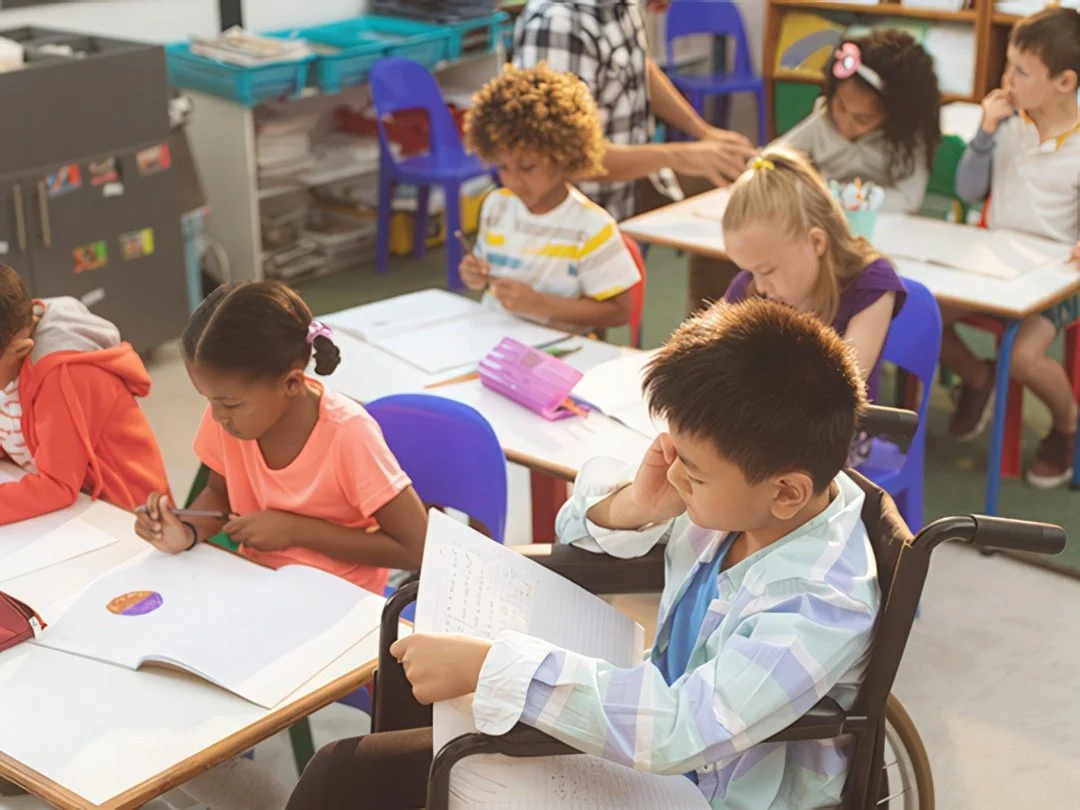
- 5Support diverse learners, including students with IEPs or multilingual backgrounds
Following these best practices ensures that all students can participate fully and equitably.
Turning Student Feedback Into Action
Collecting data is only one part of the process. Using that data to improve school climate is what makes student surveys effective. Tracking progress over time shows students that their feedback drives real change.
This kind of feedback loop builds student trust and demonstrates that their input leads to real change.

Break down results by student group, grade level, or building
Look for trends in student engagement and areas of concern
Share summaries with staff and student leadership groups
Identify two or three priorities for action
Track changes and re-measure over time to show progress
School Climate Survey for Students: FAQs
Bring student voice into your climate strategy
CEE’s school climate surveys amplify student perspectives and help leadership teams create stronger, more connected schools. Contact us to explore survey tools and implementation strategies that support lasting improvement.